Source anti-bacterial compression sports socks for running hiking climbing
Find 30 listings of anti-bacterial compression sports socks with varying pressure levels and materials. Buyers can compare features like breathability, size options, and OEM services from suppliers in China to match specific athletic needs.
Key considerations
Products List
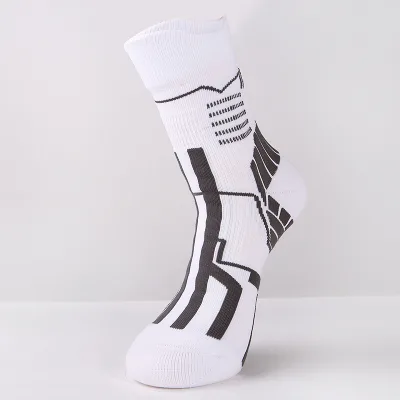
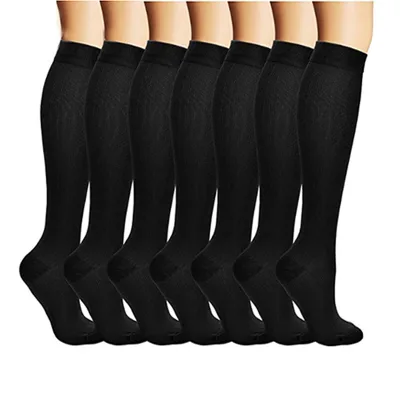
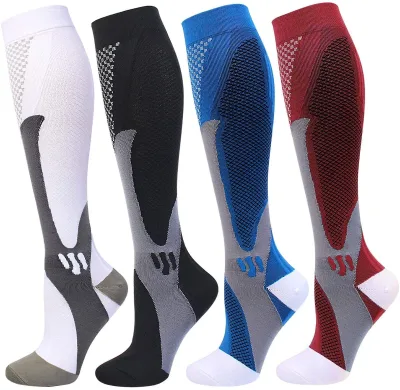
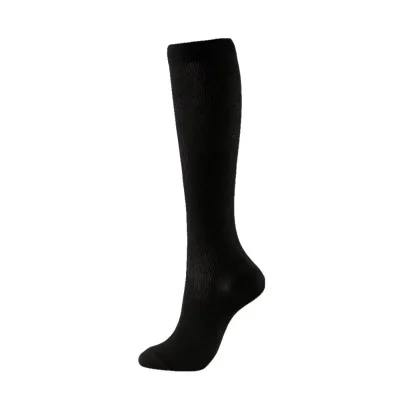
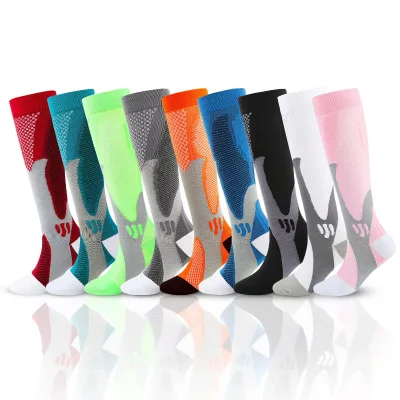
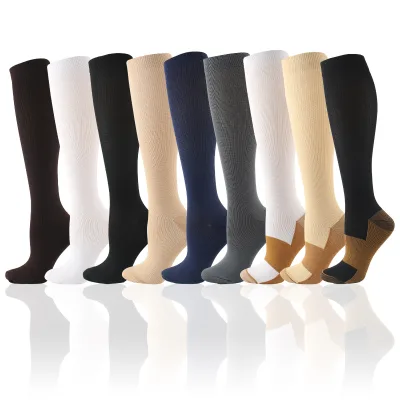
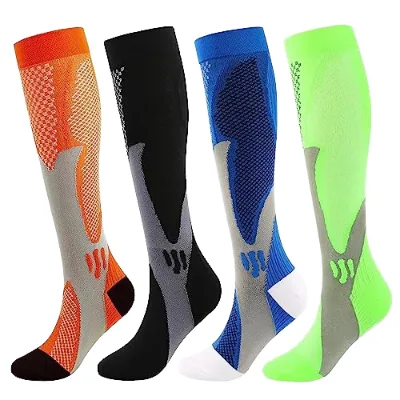


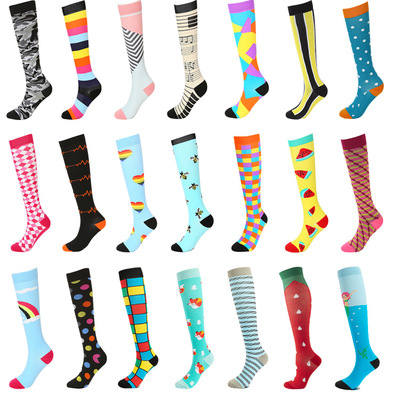


Comprehensive Sourcing Guide
Strategic Sourcing Guide for Anti-Bacterial Compression Sports Socks
Understanding Product Specifications and Functional Attributes
When sourcing anti-bacterial compression sports socks, buyers must first establish a clear understanding of the technical specifications that define product performance. The core functionality of these items often revolves around graduated compression, typically measured in millimeters of mercury (mmHg). In the current market, products frequently cite a pressure range of 20-30 mmHg, which is designed to assist with blood circulation and reduce muscle fatigue during athletic activities. This specific pressure class is often categorized under basic protection for medical or athletic support, distinguishing it from lighter casual wear or higher-grade medical compression garments.
Material composition is another critical specification that directly influences the anti-bacterial and comfort properties. The most common blend observed in high-performance compression socks involves Spandex and Nylon. This combination provides the necessary elasticity for a snug fit while ensuring durability and moisture management. The knitting technique is typically described as "knitted," which allows for the creation of specific tension zones required for compression therapy. Buyers should verify that the product features a "solid" pattern type, as complex patterns can sometimes interfere with the uniform pressure distribution required for effective compression.
The physical dimensions and sizing are equally vital for procurement success. While some suppliers offer "average size" or "customized" options, the standard commercial offering often includes a range of S, M, L, XL, and sometimes XXL. The length of the sock is a defining characteristic for compression products; "knee" length is a prevalent specification for sports applications, providing support to the calf muscles without restricting the knee joint. However, buyers must be aware that some listings may vary, offering "regular" styles or specific model numbers like "Sport compression socks" or "AFT-YL02," which may imply different fit profiles.
Compliance, Certification, and Safety Standards
Navigating the compliance landscape for compression socks requires a rigorous approach to verifying safety and material standards. While the product attributes often highlight features such as "Anti-Bacterial" and "Eco-Friendly," these claims must be substantiated by third-party testing rather than relying solely on supplier marketing. Buyers should specifically look for verification of needle detection systems, which are essential for ensuring that no metal fragments remain in the finished textile product. The presence of a "Needle detection: Yes" attribute indicates a manufacturing process that includes metal detection checks, a standard requirement for textile safety in many international markets.
Regarding certifications, the market often references standards such as OEKO-TEX, which verifies that the textile is free from harmful substances. However, buyers must exercise caution and not assume that every listed product holds this certification unless explicitly confirmed by the supplier. The absence of a specific certification claim in a product listing does not necessarily indicate non-compliance, but it does require the buyer to request test reports before placing an order. It is the responsibility of the procurement team to verify if the supplier can provide documentation for the "Anti-Bacterial" claim, as this often involves specific antimicrobial testing protocols that differ from general fabric hygiene.
Furthermore, the "Protection class" of the product is a crucial compliance metric. For sports compression socks, the classification is often "Basic Protection," which implies they are intended for general athletic support rather than clinical medical treatment. This distinction is vital for liability and regulatory purposes, especially when exporting to regions with strict medical device regulations. Buyers should ensure that the product labeling accurately reflects this classification to avoid misrepresentation. Additionally, the "OEM Service" and "Customized Logo Accept" attributes suggest that the supplier is capable of producing goods under the buyer's brand, but the underlying compliance standards must remain consistent regardless of the branding applied.
Cost Drivers and Pricing Dynamics
The pricing structure for anti-bacterial compression sports socks is influenced by a complex interplay of material costs, manufacturing complexity, and order volume. The observed price range in the market spans from approximately 0.3 to 7 USD per unit, a significant variance that reflects differences in quality, compression technology, and order quantity. Several factors drive these costs. First, the material blend of Spandex and Nylon is subject to global commodity price fluctuations. Higher percentages of Spandex generally increase the cost due to the premium required for elasticity and durability.
Second, the level of customization significantly impacts the final price. Products offering "Customized" sizes, "Customized Logo," or specific "OEM" packaging often command a higher unit price compared to standard off-the-shelf items. The "Single package size" and "Single gross weight" also play a role in logistics costs; for instance, a package measuring 20x13x5 cm with a weight of 0.100 kg will have different shipping economics compared to a larger, heavier package. Buyers must consider that while the base unit price might be low, the total landed cost includes packaging, labeling, and freight, which can vary based on the "Shipping" method selected, such as "Express or sea."
Order volume is perhaps the most significant cost driver. The Minimum Order Quantity (MOQ) ranges widely, from as low as 2 units to as high as 3000 units. Suppliers often offer tiered pricing structures where the unit cost decreases as the MOQ increases. However, buyers should be wary of extremely low MOQs if they require custom branding, as the setup costs for custom molds, labels, and packaging may be amortized over a smaller batch, resulting in a higher effective cost per unit. The "Selling Units" attribute, often listed as "Single item," can be misleading if the actual transaction requires bulk purchasing; buyers must clarify the true MOQ before negotiating prices.
Typical Applications and Usage Scenarios
The versatility of anti-bacterial compression sports socks makes them suitable for a wide array of applications, ranging from high-intensity athletics to daily recovery. The "Function" attributes, such as "Pain Relief" and "Anti-fatigue," indicate that these products are designed to support users during and after physical exertion. The "Application" field often lists specific activities like "Winter Running," "Hiking," "Climbing," and "Walking," suggesting that the socks are engineered to handle the demands of various terrains and weather conditions.
The "Season" attribute further refines the intended use case. While some products are marketed for specific seasons like "Autumn" or "Winter," others are labeled as "All Seasons," "Universal," or suitable for "Spring" and "Summer." This indicates that the material properties, such as breathability and moisture-wicking capabilities, are designed to perform across a temperature spectrum. The "Feature" list, which includes "Sweat-Absorbent," "Breathable," and "Anti-Slip," supports the claim that these socks are suitable for intense physical activities where foot hygiene and comfort are paramount.
For the "Applicable People" demographic, the market shows a split between "Women" specific products and "Universal" options. While some listings explicitly target women, the "Universal" classification suggests that the sizing and compression levels are adaptable for a broader audience. The "Style" attribute, often described as "Regular" or "Athletic Socks," implies a design that balances performance with everyday wearability. This dual-purpose nature allows buyers to target both the athletic market and the general consumer market, depending on the specific marketing strategy and product positioning.
Supplier Evaluation and Manufacturing Capabilities
Evaluating potential suppliers for compression socks requires a deep dive into their manufacturing capabilities and supply chain transparency. The "Supply Type" is frequently listed as "Oem Service," indicating that the supplier is equipped to handle custom orders. However, buyers must verify the extent of this service. Does the supplier offer full design support, or are they limited to applying a logo to existing molds? The "Label" and "Logo" attributes, which often state "Customized Accept," suggest flexibility, but the buyer must confirm the minimum requirements for customization, such as the number of colors or the complexity of the design.
Geographic location is another critical factor in supplier evaluation. The "Place of Origin" is often cited as "Zhejiang, China" or "Hebei, China," both of which are major textile manufacturing hubs. These regions have established supply chains for Spandex and Nylon, which can lead to competitive pricing and faster production times. However, buyers should also consider the logistics of shipping from these locations. The "Shipping" options, typically "Express or sea," offer flexibility, but the lead times associated with each method must be factored into the procurement timeline.
The "Sample" availability is a key indicator of supplier reliability. While some listings state that samples are "Available," others may have restrictions, such as "Not Support" for 7-day sample order lead times. This discrepancy highlights the need for buyers to clarify sample policies before proceeding. A supplier that can provide high-quality samples quickly demonstrates confidence in their product and a willingness to engage in the pre-production phase. Additionally, the "Needle detection" capability mentioned in the product attributes is a strong indicator of a mature manufacturing process, suggesting that the supplier adheres to safety standards that are crucial for export markets.
Quality Control and Long-Term Procurement Strategy
Implementing a robust quality control (QC) strategy is essential for maintaining the integrity of anti-bacterial compression socks. The "Feature" list includes claims like "Snagging Resistance" and "Soft," which are subjective and require objective testing to verify. Buyers should establish clear acceptance criteria for these attributes, potentially requiring physical testing reports for elasticity, compression consistency, and fabric strength. The "Operating Instructions," such as "hand wash," provide insight into the care requirements, which can affect the product's lifespan and customer satisfaction.
Long-term procurement considerations involve building a sustainable relationship with suppliers who can scale with demand. The "Packing" specifications, such as "20 pairs per size per color/opp bag," indicate a standardized packaging approach that can be customized for branding. However, buyers must ensure that the packaging is durable enough to protect the product during transit, especially given the "Single gross weight" variations. The "Thickness" attribute, described as "Standard," suggests a consistent product profile, but buyers should verify if this thickness meets the specific compression requirements of their target market.
Finally, the "Model Number" and "Product Name" serve as unique identifiers that help in tracking inventory and ensuring consistency across orders. Buyers should maintain a detailed database of these identifiers to avoid confusion when reordering or expanding the product line. By focusing on these technical and operational details, buyers can mitigate risks associated with quality inconsistencies and ensure a steady supply of high-performance compression socks that meet the needs of their customers. The integration of these factors into a comprehensive sourcing strategy will ultimately lead to a more efficient and reliable procurement process.
FAQs
What material composition do these compression socks use?
These socks are constructed from a Spandex and Nylon blend. This combination ensures the necessary elasticity for a snug fit while providing durability and effective moisture management for athletic activities.
How is the compression level defined for these products?
The compression level is specified as 20-30 mmHg pressure. This range is designed to assist with blood circulation and reduce muscle fatigue during sports and daily physical exertion.
Can suppliers provide customized logos and labels?
Yes, suppliers accept customized logos and labels for these products. This OEM service allows buyers to brand the socks according to their specific requirements while maintaining the core product features.
Where are these compression socks typically manufactured?
These items originate from manufacturing hubs in Zhejiang and Hebei, China. These regions are established textile centers known for producing high-quality Spandex and Nylon blends efficiently.
What safety checks are performed during production?
Manufacturing processes include needle detection to ensure no metal fragments remain in the finished textile. This safety check is a standard requirement for ensuring product integrity in international markets.
What is the typical minimum order quantity for these socks?
The minimum order quantity ranges from 2 to 3000 units depending on the supplier. Buyers should verify specific MOQs as they vary based on customization needs and order volume tiers.
Which seasons are these socks suitable for wearing?
These socks are suitable for all seasons including Spring, Summer, Autumn, and Winter. Their breathable and sweat-absorbent features allow them to perform effectively across varying temperature conditions.